CFO Peer Audit: Is the finance chief’s role changing?

To some, the word strategic is starting to become an overused catch-all in conversations about the CFO role.
Across LinkedIn and business media alike, the term strategic, alongside others like collaboration, forward-thinking and decision makers, is used as if finance leaders are just now stepping into strategy. In reality, CFOs have long been a major part of setting direction while balancing risk and guiding growth.
However, the role is undeniably shifting in a different direction. It’s not that the role is suddenly strategic, but that the day-to-day responsibilities, such as forecasting technology adoption and managing people, are becoming more complex and visible.
So, for this edition of the CFO Peer Audit Series, we asked CFOs and observers: Some say the role of the CFO is changing to a more strategic role; others say it’s long been a strategic role and isn’t changing. What’s your take?
Here’s what finance leaders had to say.
Tony Ciotti, CFO, Riveron (business advisory and consulting firm)
“I think the role has always been changing. But, when I think about the modern CFO role, particularly in private equity-backed companies, I do think it is continuing to evolve at a much faster pace than I saw coming up through finance and operations functions within organizations, especially within the last 10 years.”

Tony Ciotti
Permission granted by Riveron
“One of the critical things in a PE-backed world that will never go away is exit experience. Having a proven track record of driving successful transactions and maintaining continuity is the one thing that, in my mind, will always be critically important in PE scenarios. That being said, we are seeing sponsors willing to live with less finance and accounting career experience in CFOs. They want agile operators who can manage a complex series of businesses.”
Eric Mason, CFO of CAAS and SLG, CliftonLarsonAllen (accounting and advisory service provider)
“Without question, the CFO in any organization is a strategic role. Financial leadership is foundational to any organization’s ability to grow, adapt, and thrive. Whether it’s a corporation, nonprofit or public entity, the CFO is the steward of the organization’s fuel: its funds.”

Eric Mason
Permission granted by Eric Mason
“Strategic financial management, especially over the long term, is what enables vision to become reality. In many cases, the CFO is second only to the CEO in driving a company’s ability to execute its strategic plan.”
Chris Ortega, CEO and fractional CFO, Fresh FP&A (fractional CFO and advisory services for SMBs)
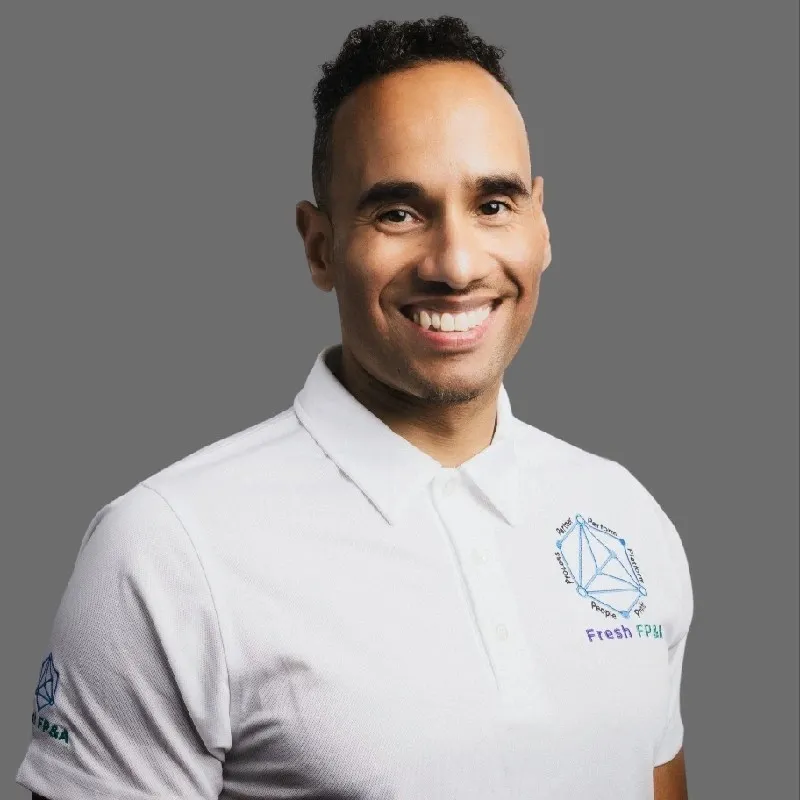
Chris Ortega
Permission granted by Chris Ortega
“Our role has traditionally been tactical, but CFOs now recognize that to scale and deliver greater value, we must shift to a strategic partnership. [The biggest difference is] right now CFOs and finance leaders should be spending 80% of their time on strategy and 20% on execution.”
Joseph Goren, CFO, The Pink Stuff (producer of household cleaning products)
“It’s not just about reporting yesterday’s numbers, it’s about using those numbers, combined with what’s happening in the environment, to figure out what tomorrow looks like… you’ve got to connect the dots between revenues, expenses and strategy.”

Joseph Goren
Permission granted by Joseph Goren
“The CFO role today is about helping people understand what the numbers mean, not just presenting them… Owners hate surprises, even if something hasn’t happened yet, they want to know if it could happen… The CFO’s role is to anticipate, to avoid surprises and to drive the business forward with clarity.”
Karen Livingston, founder and fractional CFO, Ascender CFO (fractional CFO and finance advisory services)
“The CFO role has always had a strategic foundation, but the way we lead today reflects a broader shift in how organizations operate. Strategy is no longer confined to the boardroom. It’s embedded across functions, owned by leaders at every level and executed in real time. The playing field has changed. Companies now operate with more complexity, more transparency and higher expectations for cross-functional alignment.”
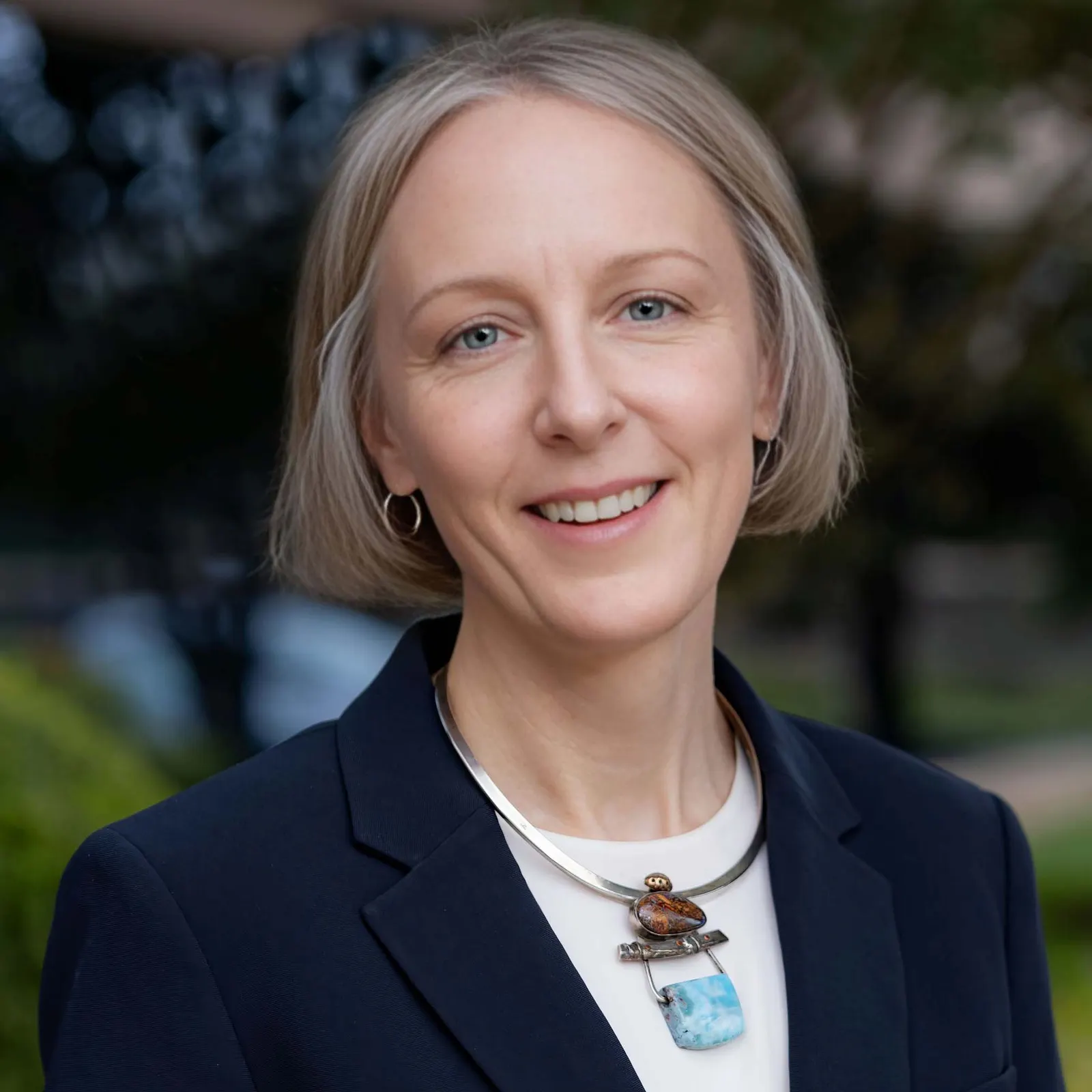
Karen Livingston
Permission granted by Karen Livingston
“Whether it’s finance, HR, tech or marketing, leaders are being asked to think bigger, connect the dots and drive outcomes that move the business forward. … It’s a shift that’s redefining what success looks like for today’s CFOs, and for many of us, it’s exactly where we thrive. That’s certainly been true in my experience. The most rewarding part of the role is serving as the connector, making sure the numbers inform smarter decisions, aligning teams around what matters and driving long-term value across the business.”
Jack McCullough, president, CFO Leadership Council (CFO leadership group)
“It’s been that way for a while, but I have recently observed that the pace at which the role has changed has quickened.”

Jack McCullough
Permission granted by Jack McCullough
“I like to say that evolution has become a revolution. I recently did an informal survey of people who work with CFOs, as well as CEOs, board members, investors and fellow C-Suite members, and strategy and leadership were deemed the most important skills for a CFO — even more so than finance and accounting skills. [So with that context in mind], a modern CFO who is not a strategic leader is going to struggle in the current environment.”
Tom Dolce, CFO, Clever Devices (technology producer for public transit systems)
“[For me], I’d say probably in pricing and products… with projects, it’s just again managing with the 606 Rev Rec, it’s managing the expenses, making sure we’re able to have the expenses to recognize the revenue… with pricing, making sure that we’re covering those prices that we’re building into our operations.”

Tom Dolce
Permission granted by Tom Dolce
“AI is going to change [the role]. I’ve probably been somewhat late to the game in AI, but I have started, and I found it just tremendously helpful… I used it for projecting RFP; I used it for drafting footnotes, but I’m sure there’s a lot more that can be done… Over the next two to three years, I’ll probably be using it more, but when I open my laptop, we’re still going to email first. That’s not changing.”
John Graham, finance professor and academic director of CFO education, Duke University’s Fuqua School of Business
“It depends on how long a time horizon you’re talking about. If you look back at the last 10 or 15 years and certainly anything further back than that, CFOs are definitely more strategic now. They’re more involved in strategic decision-making now than they were. It also varies by CFO, too.”

John Graham
Permission granted by Duke University Fuqua School of Business
“In the olden days, the CFO was kind of the chief accountant – I’m talking if you go back 30 years or so. They had to do all the traditional reporting. But, because of their acumen with the numbers and the company’s plans, they always had a seat at the table. I think now they’re much more involved in strategic thinking and putting the rigor on the decision. For the CFO, the question they’re asking about almost everything the company does is, ‘Does this create value?’ Think about AI, for example. What’s the return on investment for AI? Now, they’re not necessarily the scientists implementing AI, but they’re helping the company judge the costs and the benefits. My impression is that the role of the CFO has broadened significantly.”
link